
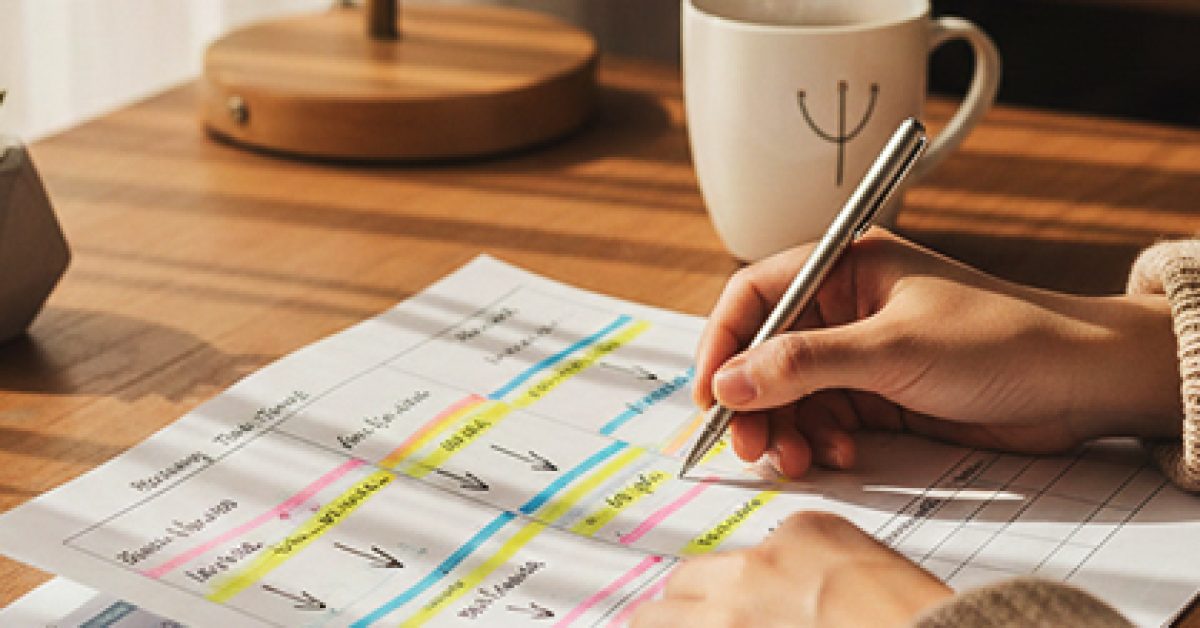
Somewhere between January mock results and that first warm day when revision suddenly feels impossible, most students realise the same thing: “I probably should’ve planned this better.” I say that without judgment. I’ve watched enough GCSE and A-Level years unfold to know that revision doesn’t usually fail because students don’t try, but because they try to revise everything at once.
That’s where subject-by-subject revision roadmaps quietly change the game. Instead of vague goals like “revise maths” or “do history,” a roadmap gives each subject its own logic, pace, and rhythm. And heading into 2026, with specs unchanged but expectations definitely higher, this approach matters more than ever.
Why One Big Revision Plan Rarely Works
Let’s be honest for a moment. Maths doesn’t revise like English. Biology doesn’t behave like Media Studies. Politics? That’s a completely different mental muscle.
Yet many students still rely on one generic timetable and hope it somehow fits everything. It rarely does.
A subject-by-subject approach accepts a simple truth:
Different subjects need different revision styles, different time blocks, and different levels of repetition.
Once you accept that, planning suddenly becomes less stressful and far more effective.
Start With the Big Picture (Before You Zoom In)
Before diving into topics, weeks, or colour-coded charts, step back.
Ask yourself:
- Which subjects carry the most weight for your plans?
- Which ones currently need the most work?
- Which feel “okay” but could quietly slip without attention?
This is where many students find value in a GCSE Revision Planner, Subject by Subject, rather than a single blanket schedule. Seeing each subject mapped separately helps you prioritise without panic.
For A-Level students, this step often answers the bigger question of How to Plan A-Level Revision without burning out halfway through the year.
GCSE Subjects: Build Confidence Through Structure
At GCSE level, revision is as much about confidence as content.
Maths & Sciences
These subjects reward consistency. Short, frequent sessions work better than long, exhausting ones. Topic-based practice followed by regular checks using GCSE Past Papers helps spot gaps early, before they turn into last-minute disasters.
English
English thrives on feedback loops. Plan cycles: revise a skill, write something short, review examiner comments, repeat. It’s slower than memorisation, but it sticks.
Humanities
History and Geography revision works best when content and exam technique grow together. Timelines, case studies, and exam questions. Not the other way around.
Many students find it useful to pin all this into a Printable Revision Timetable GCSE/A-Level, simply because seeing it physically makes the workload feel… manageable.
A-Level Subjects Need Long-Term Thinking
A-Levels aren’t harder just because the content is deeper; they’re harder because forgetting costs more.
This is where students planning an A-Level Revision Timetable 2026 often go wrong. They revise too late, or too intensely, or both.
Essay-Based Subjects
For subjects like Politics and Media Studies, knowledge without structure is wasted.
Using A-level politics past papers early trains you to organise arguments, not just remember them. Likewise, a level media studies past papers reveal patterns, what examiners really care about, versus what just sounds impressive in notes.
Sciences & Maths
Concepts build on each other. Missing one idea in October can snowball by March. Your roadmap should revisit earlier topics regularly, even when the syllabus moves on.
This layered approach is the backbone of the Best Revision Plan for A-Level Students, even if it doesn’t feel exciting at first.
Past Papers: The Quiet Shortcut Everyone Underuses
If there’s one habit that separates calm students from stressed ones, it’s this: they Use Past Papers for A-Level Revision early, not as a final test.
Past papers aren’t just assessments. They’re revision tools.
They show:
- How topics are phrased
- Where marks are actually earned
- Which “small” details matter most
The same logic applies to GCSEs. Regular use of GCSE Physics Past Papers turns revision from guesswork into a strategy.
Sites like Exam Papers Online make this process far less messy by keeping everything in one place, no hunting, no half-missing papers.
Planning Weekly, Not Just Yearly
A roadmap isn’t a rigid contract. It’s a guide. Weekly check-ins matter more than perfect long-term plans. Some weeks will fall apart. Others will surprise you. Adjusting without guilt is part of the process.
Try this simple rhythm:
- One subject-specific goal per subject, per week
- One past paper or exam-style task somewhere in the mix
- One honest review: Did this work?
That’s it. Nothing fancy.
When (and How) to Adjust Your Roadmap Without Losing Momentum
Here’s something that doesn’t get said often enough: a good revision plan is supposed to change. If you follow your roadmap blindly even when it’s clearly not working, that’s not discipline, that’s stubbornness.
Around mid-year, many students notice patterns. Maybe Chemistry is taking more time than expected. Maybe English is improving faster than planned. This is exactly when you should pause and tweak things. Drop what’s working less, double down on what gives results.
A simple rule I’ve seen work well is the two-week check. Every couple of weeks, ask:
- Which subject felt productive?
- Which one felt confusing despite the time spent?
- Did past paper scores move at all?
If a subject isn’t improving, change how you revise it, not just how long. Swap notes for questions. Replace rereading with timed answers. Add more examiner-style practice.
This flexibility is what separates stressed planners from confident ones. Your roadmap isn’t there to trap you. It’s there to steer you, sometimes with small course corrections, sometimes with bigger turns, and that’s perfectly normal.
Final Thoughts: Planning Isn’t Pressure, It’s Permission
A good revision roadmap doesn’t demand perfection. It permits you to focus on one thing at a time.
By treating each subject as its own journey, and supporting that journey with ExamPapersOnline’s past papers and realistic pacing, you stop reacting to exams and start preparing for them. And when exam season finally arrives, that calm confidence? It won’t be luck. It’ll be the result of planning that actually made sense.


